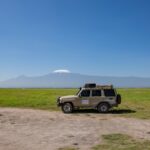
Amboseli is one of the most photogenic parks in Kenya, but not for the reason most people assume. The mountain is only part of it. What makes Amboseli genuinely exceptional for photography is the combination of factors: flat terrain with long sightlines, elephants that are large in the frame and accessible in open ground, swamp environments that produce layered ecological scenes, and early-morning light that has a quality unlike anywhere else in Kenya.
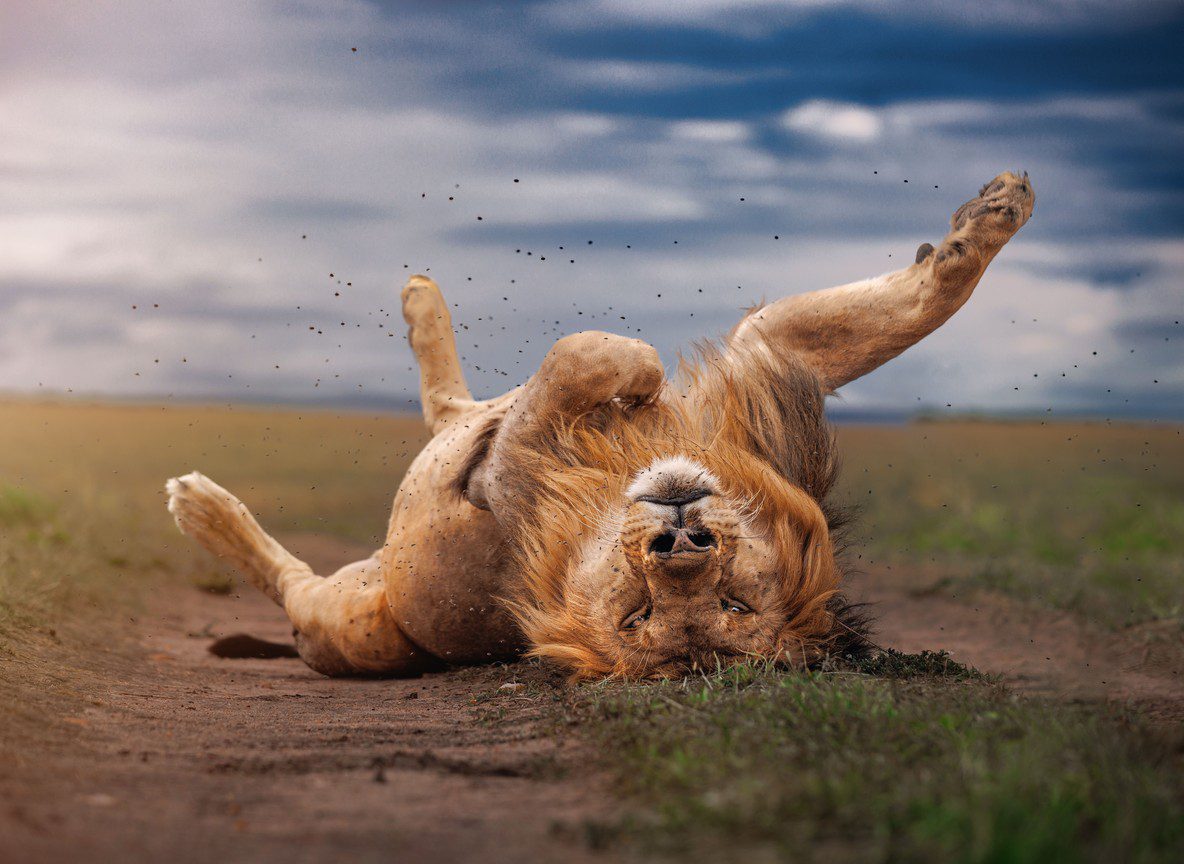
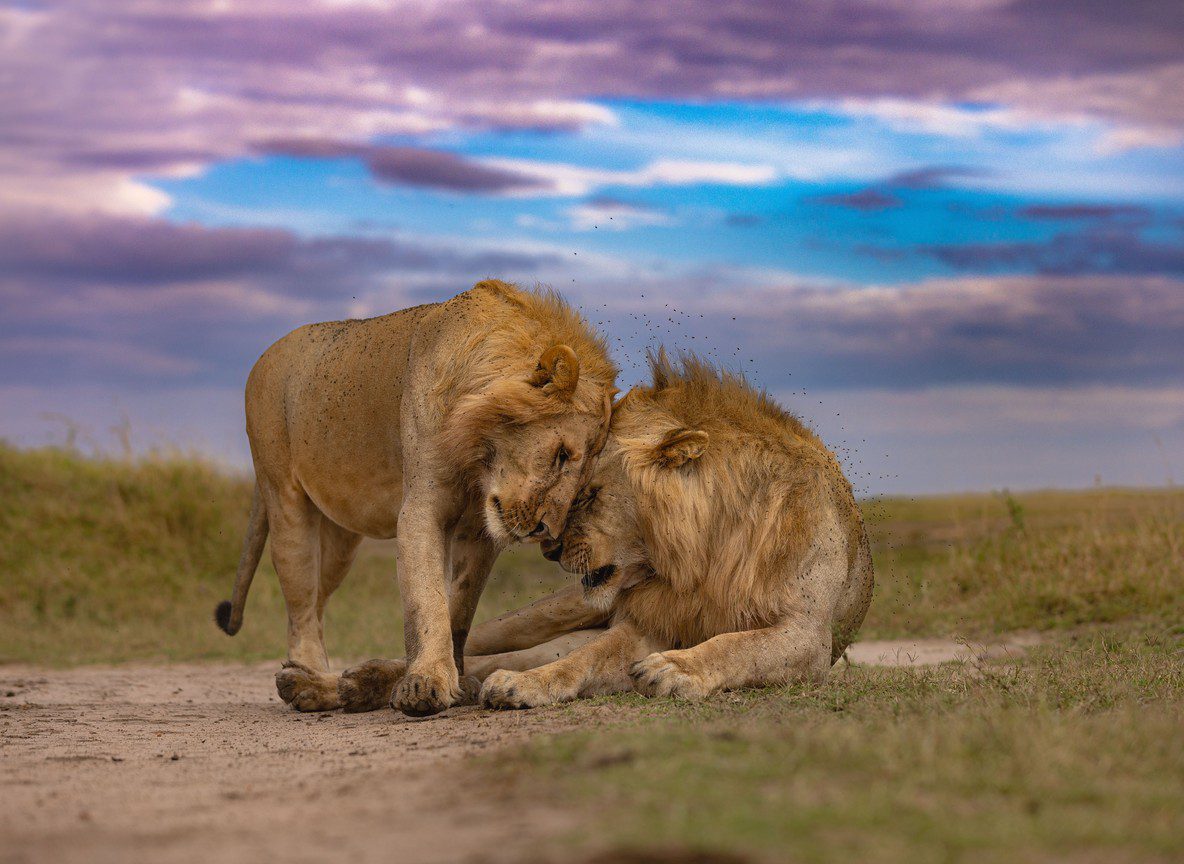
The park rewards photographers who think in terms of light, habitat, and rhythm rather than just species lists. Getting Kilimanjaro in the background is one possible goal. But the full range of what Amboseli can produce, from close elephant family portraits to wide landscape compositions to wetland scenes with birds and buffalo, requires a more structured approach.
This guide covers that structure.
What Makes Amboseli Strong for Photography
Four main advantages:
Open visibility. Amboseli’s flat terrain means you can see animals from a long distance and position the vehicle before disturbing the scene. This is less obvious but more important than most photographers initially realise. In the Masai Mara, tall grass can obscure subjects. In Samburu, you are often working at distance into dense bush. In Amboseli, subjects are readable and frameable.
Accessible large mammals. The elephant families in Amboseli are among the most habituated to vehicles in Kenya. Very close approaches are often possible without disturbing family behaviour. For elephant portrait and family-behaviour photography, the access Amboseli provides is difficult to match elsewhere.
Swamp-and-plain contrast. The park presents two very different visual environments within short driving distance of each other. The swamps offer layered, complex scenes with water, vegetation, and multiple species. The plains offer clean, spacious compositions with movement and scale. Both environments produce strong images, and the contrast between them means a single safari can build a varied portfolio.
Kilimanjaro. The mountain adds a visual layer that no other Kenya park offers. On clear mornings it frames elephant compositions in ways that make the photographs immediately distinctive.
Best Time of Day
Dawn and late afternoon are the two productive windows. Mid-day light in Amboseli is harsh and flat, and wildlife activity slows during the hottest hours.
Dawn: The strongest window for mountain shots, elephant family movement to water, active predator behaviour, and the warm, diffuse light quality that makes Amboseli photographs look different from those taken in other East African parks. Be in position before the sun clears the horizon. The first 30 to 45 minutes of daylight are the most valuable.
Late afternoon: The light turns warm from around 16:30, and the late-afternoon hours bring elephants back to the swamps, buffalo returning to water, and the golden quality that suits wide-landscape compositions. The final hour before gate closure at 19:00 can produce the best light of the day.
Middle of the day (10:00 to 15:00): useful for driving between habitats, scouting routes, or resting. Do not plan your primary photography time here.
Best Season by Visual Style
There is no single best season for Amboseli photography. The right season depends on what you want to produce.
Dry season (June to October and January to February):
- Clearer skies and better Kilimanjaro visibility
- Lower grass and better subject exposure
- Dust adds atmosphere to open-plain scenes
- Classic Amboseli look: ochre earth, grey elephants, white mountain
Green season (March to May, November to December):
- Richer green backdrop to wildlife
- More complex, moody skies
- Swamp scenes look lushest
- Calf and young-animal activity is higher
- Birding significantly stronger
If your visual brief is the classic, definitive Amboseli image, the dry season gives you the most reliable conditions. If you want something less expected and more atmospheric, the green season produces images that look different from the standard Amboseli portfolio.
Habitats: Swamps vs Open Plains
This is the most important structural choice in planning your game drives.
Swamps are best for:
- Elephant family behaviour and close social scenes
- Buffalo at the water’s edge
- Wetland bird photography (herons, storks, pelicans, ibis)
- Reflections in still water early in the morning
- Layered compositions with multiple species sharing a frame
Open plains are best for:
- Wide landscape compositions
- Elephant movement and herd scale
- Silhouettes at dawn and dusk
- Predator tracking with clear sightlines
- The classic Kilimanjaro-and-elephants shot
Strong photography planning moves between both habitats across a single long drive. Start at the swamp edge for the first two hours of light, move across the plains through mid-morning, and return to water-adjacent areas in the late afternoon as the light turns.
A safari that stays in only one habitat misses the visual range that makes Amboseli distinctive.
Gear Recommendations
Amboseli photography requires two focal-length ranges and good dust management.
Telephoto (300mm to 600mm): The primary tool for elephant portraits, elephant family behaviour, bird studies, and predator work. A 400mm f/5.6 or 500mm f/4 handles most situations well. For the Kilimanjaro compression effect, 500mm and longer pull the mountain visually closer into the frame behind subjects in the foreground.
Wide to standard (16mm to 70mm): Essential for landscape scenes from Observation Hill, environmental context shots showing elephants in the wider plain, and the kind of scale images that convey how large and open the park is. Do not leave this range at the lodge.
Second camera body: Changing lenses in Amboseli’s fine white dust is problematic. A second body with a different focal length loaded avoids lens changes and protects against sensor contamination.
Dust protection: Amboseli generates significant fine dust from the dry lake bed. Seal camera bags between shots. Carry a sensor cleaning kit and check sensor condition daily. This is not optional in the dry season.
Beanbag or window mount: Open-roof vehicles are standard in Amboseli. A beanbag resting on the vehicle door sill gives stable support for long lens work without a tripod.
Positioning in the Vehicle
Vehicle angle and positioning matter as much as gear. A good driver in Amboseli will reposition to give you clean light and an unobstructed sightline, but it helps to know what you are asking for.
Light direction: For morning swamp work, position the vehicle so that the subject is lit from the side or slightly front-lit. Shooting directly into the rising sun gives you silhouettes, which can be compelling but removes subject detail.
Kilimanjaro compositions: The mountain sits south of the park. For the classic mountain-and-elephants shot, you need to be positioned north of the elephants with the mountain in the background behind them. This means driving south of a group or waiting for herds to move to a position where the mountain is visible behind them.
Patience over movement: The best Amboseli images often come from waiting with a subject rather than moving to another location. When an elephant family is active at the swamp edge with good light, that is the place to stay.
Trip Length for Photography
Two nights can produce a solid portfolio but leaves little margin. Two nights gives four game-drive sessions (afternoon Day 1, dawn and afternoon Day 2, optional dawn Day 3). If mountain weather is poor on Day 2, there is no recovery time.
Three nights is the recommended minimum for photography-focused visitors. Six game-drive sessions allows you to work both habitats across different light conditions, wait out one poor weather morning, and build a varied portfolio rather than a narrow one.
Four nights or more suits photographers who want to move between habitats systematically or who have a specific brief (elephant family documentation, for example) that requires sustained time with specific subjects.
Common Photography Mistakes in Amboseli
Starting too late. The first 45 minutes of daylight are the most productive. Arriving at the swamp edge after the sun has already climbed removes the quality that makes Amboseli images distinctive.
Chasing only Kilimanjaro. The mountain is not guaranteed on any given morning. Photographers who spend every drive trying to position for the mountain shot miss the depth of what the park offers when the mountain is obscured.
Ignoring the swamps. The open plains are more visually obvious, but the swamp edges produce the most complex and often the most surprising images.
Bringing only one focal length. Amboseli requires both the long telephoto for subjects and a wider lens for context and landscape. A single-focal-length approach produces a narrow portfolio.
Not protecting gear from dust. Amboseli dust is fine and pervasive. Cameras left open on vehicle seats accumulate dust faster than most photographers expect.
For First-Time Photography Visitors
The strongest primary targets on a first Amboseli photo safari:
- Elephant families at the swamp edge in the morning
- Open-plain elephant movement compositions
- One clear Kilimanjaro morning if available
- Buffalo and wetland birds as secondary subjects
That gives a broad, satisfying first portfolio without overcomplicating the brief. Amboseli is accessible enough that first-time photographers produce strong work here. The challenge is not technical. It is about being in the right place at the right time of day.
Quick Reference
| Priority | Approach |
|---|---|
| Dawn mountain and elephant composition | Start at swamp edge before sunrise, face south toward Tanzania |
| Wetland bird and buffalo scenes | Work swamp margins from early morning |
| Wide iconic landscape frames | Open plains circuit with wide-angle lens ready |
| Elephant portrait and family behaviour | Stay with active family groups at the swamp edge |
| Best overall trip structure | Three nights minimum, dawn and afternoon drives each day |
| Dust management | Seal bags between shots; clean sensors daily |
What to Read Next
- Amboseli super tuskers and elephant herds for elephant photography context and family identification
- Amboseli swamp vs open plains wildlife for a deeper breakdown of the two habitat types
- Amboseli weather month by month to match your visit timing to your photographic brief
- For Amboseli-specific itinerary planning, trunktrailssafaris.com covers the range of photography-focused safari options in this ecosystem
Have questions about this itinerary or destination? Get answers from a safari specialist before you commit.
Inquire More